
2 hr 30 min
Geographe Bay Whale Watching Experience
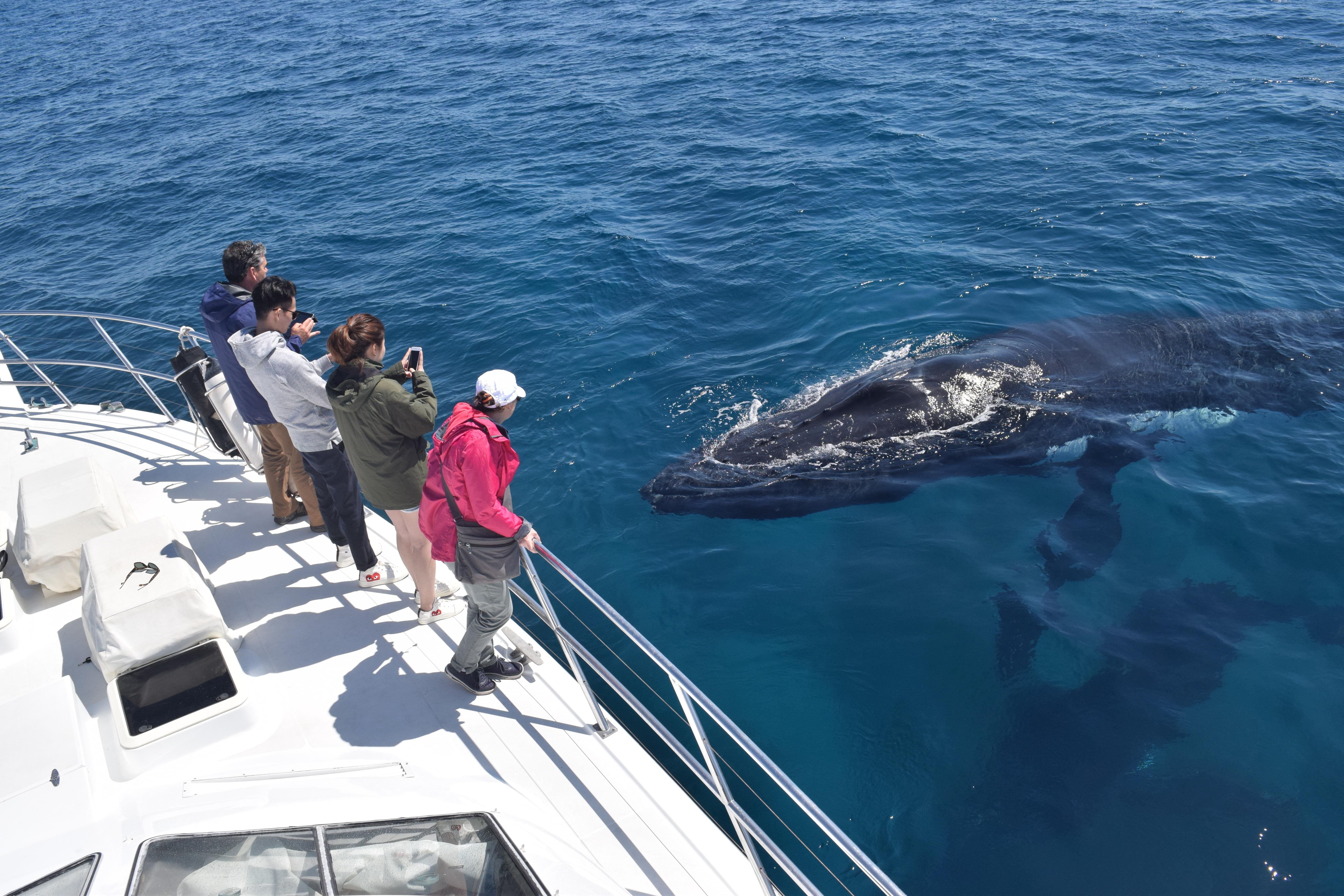
See humpback whales up close aboard a purpose-built vessel with expert crew and marine biologist
Reserve
Hand-picked by our editors — only the best 5 whale watching experiences from 12 reviewed.
Verified partners for every tour, free cancellation where available, and instant confirmation on every booking.
2 hr 30 min
See humpback whales up close aboard a purpose-built vessel with expert crew and marine biologist
Reserve
2 hr 30 min
Join the Southwest's original whale watchers aboard a luxury catamaran to witness humpbacks and blues in action
Reserve
3 hr 30 min
Explore pristine coastlines, marine parks, and encounter kangaroos and dolphins on this nature-focused journey.
ReservePrices from verified partners. Availability updates in real time at checkout. Free cancellation policies apply where shown.
The landmarks, rooms, and views travelers on this tour remember — all visible on a single visit.
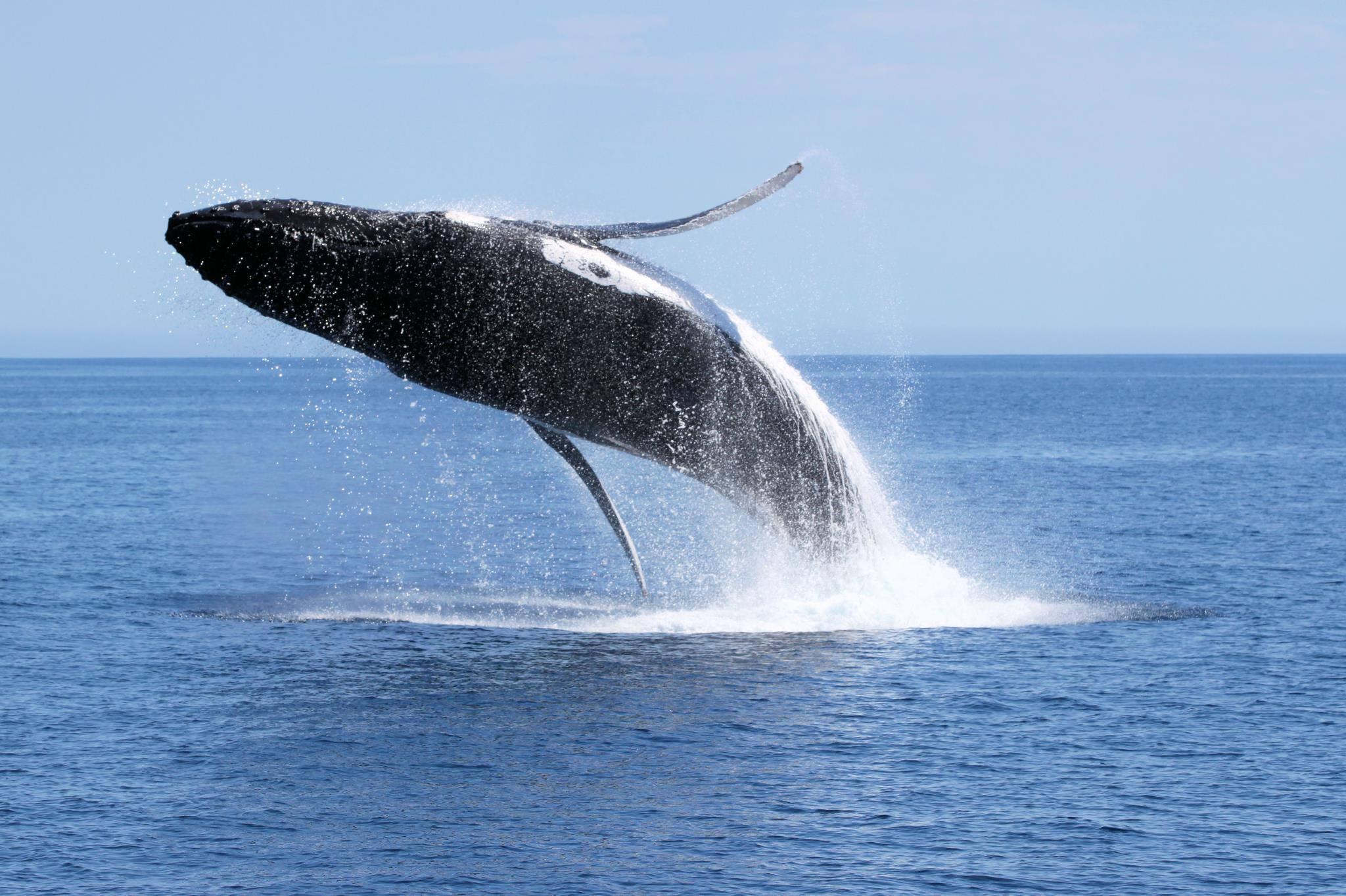
Witness Humpback Whales arriving in the bay to rest and teach their calves during the spring.
This area serves as a protected nursery for Southern Right Whales before they head to Antarctica.
Geographe Bay is one of the few places to potentially sight the rare Pygmy Blue Whale during spring.
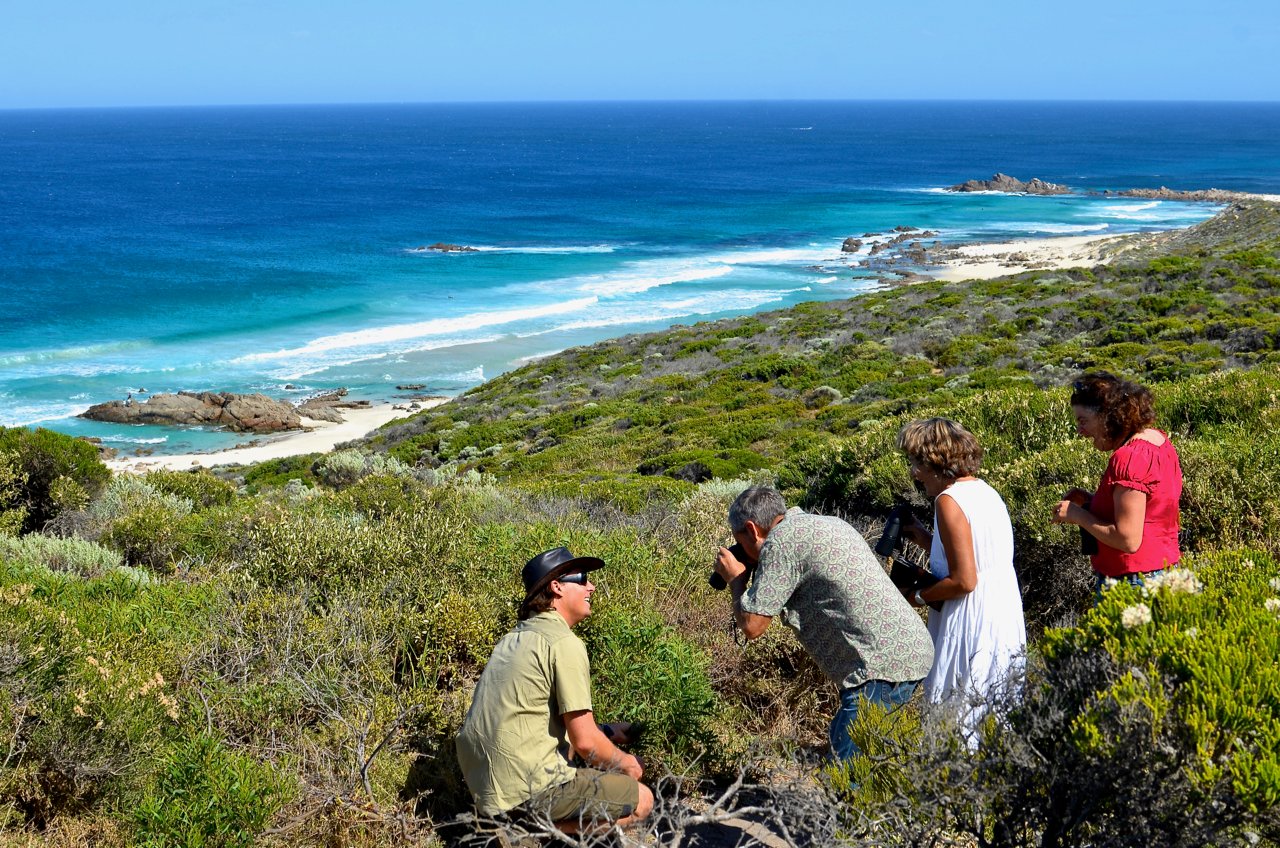
This coastal vantage point offers a land-based alternative for spotting whales before your dunsborough whale watching tour.
Dunsborough whale watching tour experiences provide sheltered, family-friendly interactions in Geographe Bay, whereas Augusta tours offer higher-energy encounters in open ocean swells. These regional marine mammal excursions complement each other, with local experts suggesting that visitors prioritize Geographe Bay for calmer water conditions.
| Feature | Top pick Dunsborough (Geographe Bay) | Augusta |
|---|---|---|
Sea Conditions |
Sheltered and calm | Open ocean swells |
Typical Whale Behavior |
Resting and socializing | Active breaching and travelling |
Travel Time from Perth |
Approx. 3 hours | Approx. 4 hours |
Primary Species Encountered |
Humpback and Southern Right whales | Humpback and Southern Right whales |
Best Time of Year |
September to December | June to August |
| See tickets → |
Verdict: Families often prefer securing dunsborough whale watching tour tickets for the placid bay environment, while those seeking raw ocean intensity may find the dunsborough whale watching tour tours in Augusta more suitable for their interests.
Choose your ticket, select your date, and reserve in under two minutes. Secure checkout handled by our verified partner.
Instant confirmation by email, with a mobile voucher you can save offline. No printing, no queuing at a collection desk.
Arrive at the entrance, show your voucher on your phone, and walk in. Most tickets include priority or skip-the-line access.
Practical details for your visit straight from our verified partners — hours, access, rules, and how to get there.
306 Geographe Bay Road
Wait by the beach boarding area 30 minutes prior to your dunsborough whale watching tour.
Drive to 306 Geographe Bay Road; gravel parking is available to the right of the ramp.
Dress in warm layers, including a windproof and waterproof jacket, as sea breezes are common. Flat, rubber-soled, closed-toe footwear is recommended for safety on boat decks.
Soft, waterproof bags are encouraged. Large hard-shell luggage is prohibited due to limited space on the vessels.
Cameras with neck or wrist straps are recommended to keep hands free for balance. Polarized lenses are highly effective for reducing water glare when capturing a dunsborough whale watching tour.
Tours often involve beach boarding via a smaller tender vessel. Please advise your chosen dunsborough whale watching tour operator in advance regarding specific mobility needs.
Children are welcome on board, with kid-sized life jackets provided. A dunsborough whale watching tour is a family-friendly educational experience.
Most cruises provide complimentary tea and coffee. Guests are encouraged to bring a reusable water bottle to minimize plastic waste.
306 Geographe Bay Road
Wait by the beach boarding area 30 minutes prior to your dunsborough whale watching tour.
Get directionsBest time to go, insider tips, nearby landmarks, and the cancellation fine print — flip through to skim what matters to you.
How crowds, weather, and events shift across the year.
September to November offers peak whale activity as Humpback and Southern Right whales frequent Geographe Bay.
Peak month for sightings of four different whale species, including rare Blue Whales.
Early November features warmer weather and frequent mother and calf interactions.
Small details that turn a good visit into a great one.
Secure your dunsborough whale watching tour tickets well in advance during peak spring season.
Marine conditions dictate tour feasibility; check with your operator on the morning of your dunsborough whale watching tour.
Always secure cameras with a wrist or neck strap to prevent drops during your dunsborough whale watching tour.
Non-bookable sights within a short walk — free to visit, easy to pair.
Features stunning coastal trails and whale viewing platforms overlooking the bay.
Provides elevated panoramic views for spotting marine life from the shore.
Flexible, no hidden fees.
Operators typically require 24–48 hours notice for full refunds, subject to the specific provider's terms. Entrance fees remain 0 AUD as the site is public; charges apply only to tour operator cruises.
Hand-picked options within walking distance — pick a district for vibe, or a specific hotel for convenience.
Convenient access to local shops and the boat ramp.
Upscale lodging located directly along Geographe Bay.
Geographe Bay serves as a critical resting corridor for humpback whales travelling the 10,000-kilometre route between Antarctic feeding grounds and tropical breeding waters off the Kimberley coast. Between late May and early December, pods linger in the bay's 40-metre-deep channel to nurse calves, breach in synchronised displays, and rest before the final southward push. The sheltered arc of water between Cape Naturaliste and Bunker Bay creates a natural amphitheatre where surface activity remains visible from distances exceeding two kilometres, and the absence of strong currents allows mothers and calves to move at a leisurely pace uncommon in open-ocean migration routes. Dunsborough's position on the bay's northern shore places departure points within fifteen minutes of documented cetacean concentration zones, reducing transit time and maximising on-water observation windows. Operators launch from the Professional Fishermans Boat Ramp at Quindalup, a hard-surface facility that accommodates vessels ranging from rigid inflatables to twin-hulled catamarans. The ramp's eastern orientation provides morning shelter from prevailing south-westerlies, and the adjacent car park holds capacity for sixty vehicles, with overflow access during peak migration weeks in September and October. Geographe Bay Road connects the launch site to the Bussell Highway via a sealed two-lane route, and directional signage appears at both the Caves Road intersection and the Quindalup townsite turnoff. Marine mammal sightings in the bay follow predictable seasonal patterns documented by the Department of Biodiversity, Conservation and Attractions since 1989. Northbound migration occurs from late May through July, characterised by faster travel speeds and deeper water preferences as whales prioritise caloric efficiency. Southbound return migration dominates August through November, with mothers and newborn calves remaining in the bay for extended periods to build blubber reserves before crossing the Southern Ocean. Peak calf presence occurs in mid-September, when surface breaches, pectoral fin slaps, and spy-hopping behaviour reach annual highs. Operators maintain a mandatory 100-metre exclusion zone under Commonwealth marine mammal interaction guidelines, though whales frequently approach vessels at closer distances of their own accord, particularly curious juveniles and sub-adults. A Dunsborough whale watching tour departs twice daily during migration months, with morning slots launching between 09:45 and 10:15 to capture calmer wind conditions, and afternoon departures scheduled for 13:30 to coincide with increased whale activity as water temperatures rise. Tour durations range from two and a half to four hours depending on sighting distances and weather windows, and vessels carry hydrophones to amplify underwater vocalisations during rest periods when surface behaviour diminishes. The bay's proximity to deeper continental shelf waters means southern right whales, orcas, and pilot whales appear as secondary species on approximately one in twelve cruises, and bottlenose dolphins travel alongside boats on more than half of all departures between October and March.
"Pods linger in the bay's 40-metre-deep channel to nurse calves, breach in synchronised displays, and rest before the final southward push."
A step-by-step walkthrough of the visit — what you'll see, how long each stage takes, and the details that matter.
You arrive at the Professional Fishermans Boat Ramp on Geographe Bay Road forty-five minutes before departure, park in the sealed lot adjacent to the concrete launch ramp, and walk to the covered check-in shelter where your mobile voucher is scanned and exchanged for a laminated boarding pass. The vessel—a 12-metre catamaran with tiered seating, an upper observation deck, and twin 250-horsepower outboards—motors away from the pontoon at 09:45, clearing the breakwater within three minutes and accelerating to eighteen knots as the coastline recedes. Fifteen minutes offshore, the skipper cuts speed and activates the hydrophone. You hear low-frequency pulses transmitted through hull-mounted speakers, and within two minutes a dorsal hump breaks the surface 200 metres to starboard. The whale exhales in a vertical plume eight metres high, rolls to expose a white pectoral fin longer than the boat's beam, and submerges for a six-minute dive. You move to the bow as the animal surfaces again, this time accompanied by a calf half its length. The pair breach in tandem twice, re-enter the water with synchronized impacts, and drift at the surface for eleven minutes while the boat holds position. You spend the next ninety minutes tracking three separate pods, observing tail flukes, spy-hopping juveniles, and a competitive escort group where two males jostle for proximity to a female. The return transit crosses a resting pod of bottlenose dolphins, and you re-enter the harbour at 13:20, forty metres behind a rigid inflatable returning from the same sighting zone.
The season for a dunsborough whale watching tour generally runs from September to November, with October being the peak month.
You can purchase dunsborough whale watching tour tickets directly through local operators or via visitor centers.
Bring layers, a waterproof jacket, sunscreen, and polarized sunglasses for your dunsborough whale watching tour.
Yes, children are welcome and life jackets are provided for a family-friendly dunsborough whale watching tour.
The location uses beach boarding via a tender; please contact your provider regarding individual accessibility needs for a dunsborough whale watching tour.
Tours are weather-dependent; operators will contact you to reschedule or refund your dunsborough whale watching tour.
Yes, rare Blue Whales are occasionally spotted alongside Humpback and Southern Right whales on a dunsborough whale watching tour.
The entrance fee to the boat ramp is 0 AUD; tour operator prices for a dunsborough whale watching tour vary by provider.
Nearby, you can visit the Cape Naturaliste Lighthouse or explore Meelup Regional Park after your dunsborough whale watching tour.